
Safe working environment
Components that have not been neutralised can deploy unexpectedly. Controlled neutralisation reduces the risk for anyone working on the vehicle.
Pyrotechnic devices
Airbags, seat-belt pretensioners and other pyrotechnic components protect people while a vehicle is on the road. When the vehicle is taken out of use, the same components must be handled with the right equipment, the right method and clear documentation.
Waste code 16 01 10*
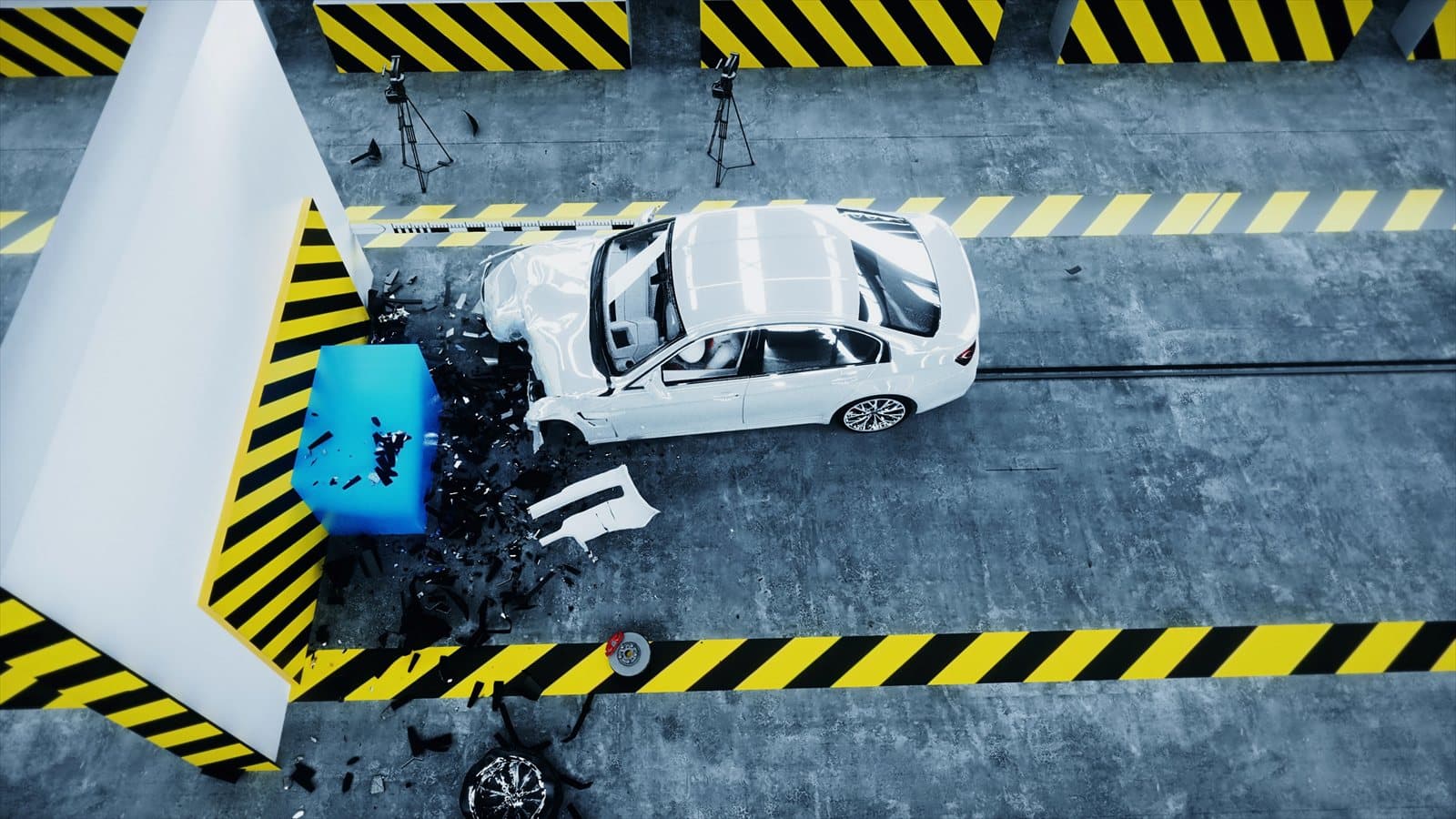
Within the EU, end-of-life vehicles must be treated so that potentially explosive components are removed or neutralised before the material is recycled. As long as a pyrotechnic component has not been neutralised it counts as hazardous waste, with requirements on how it may be stored, transported and reported.
Neutralisation means firing the component in a controlled way, either while it remains in the vehicle or after it has been removed. Afterwards the material has a different risk profile and can be handled in ordinary recycling.
For vehicle recyclers, dismantlers and workshops this is therefore about three things at once: a safe working environment, environmentally sound treatment and documentation that makes the work possible to follow up. BlastBox is built to support all three in one coherent workflow.
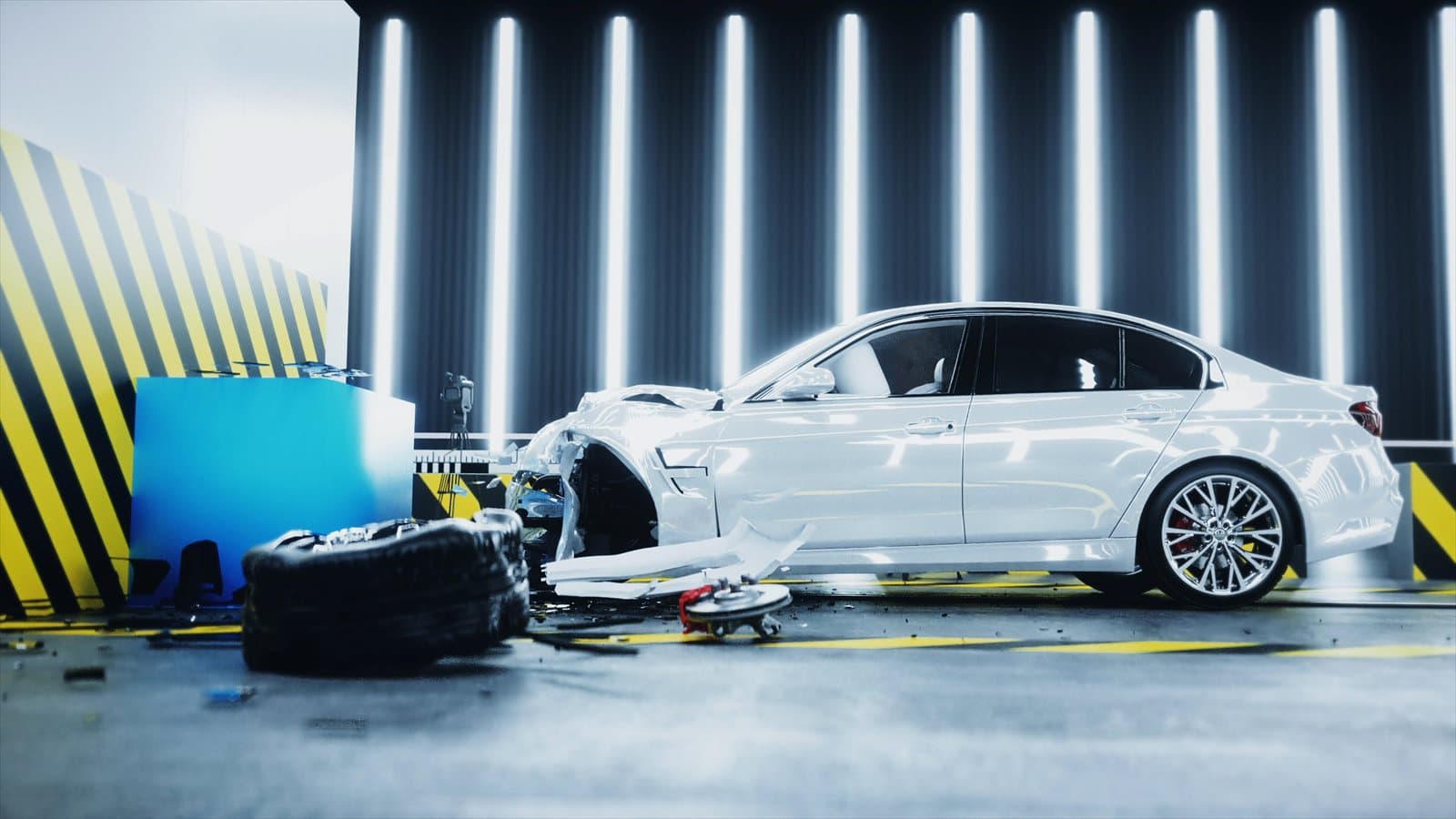
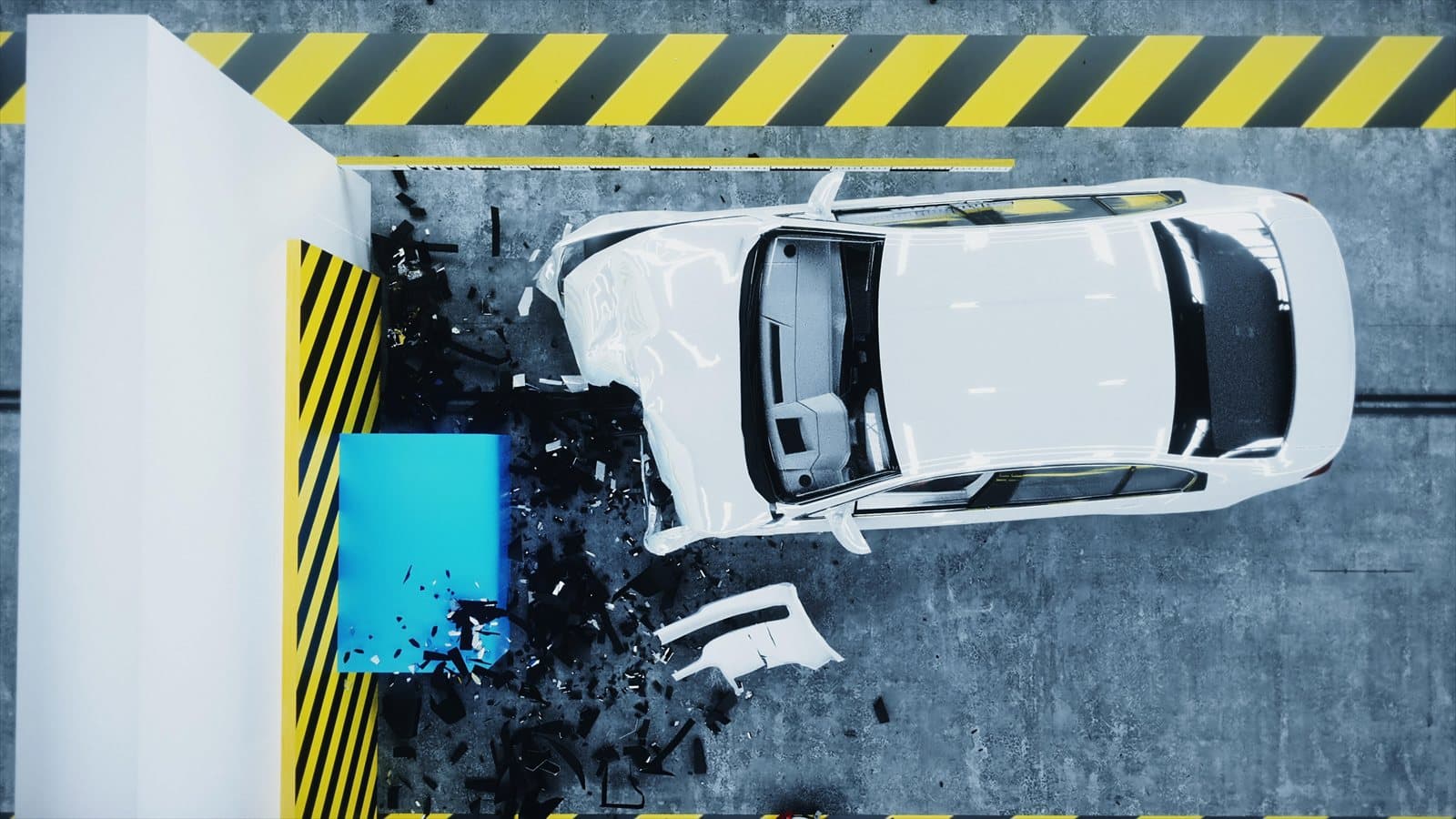
Components that have not been neutralised can deploy unexpectedly. Controlled neutralisation reduces the risk for anyone working on the vehicle.
Neutralisation reduces the requirements on continued handling and lets the material be treated correctly.
Each firing can be linked to a vehicle or component and stored, so the work can be followed up over time.
Pyrotechnic components are located in several places in modern vehicles. Here are some of the most common ones that need to be identified and neutralised.
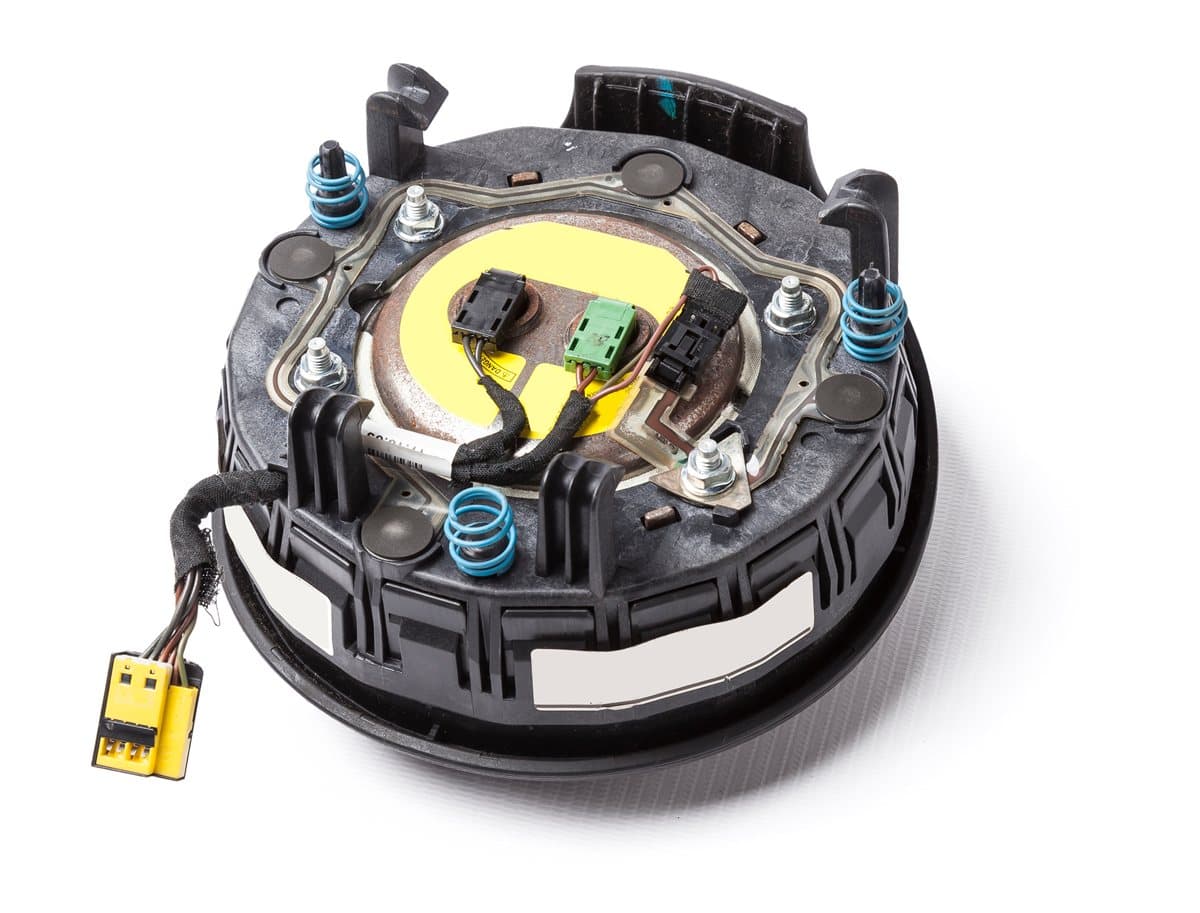
Steering-wheel airbag
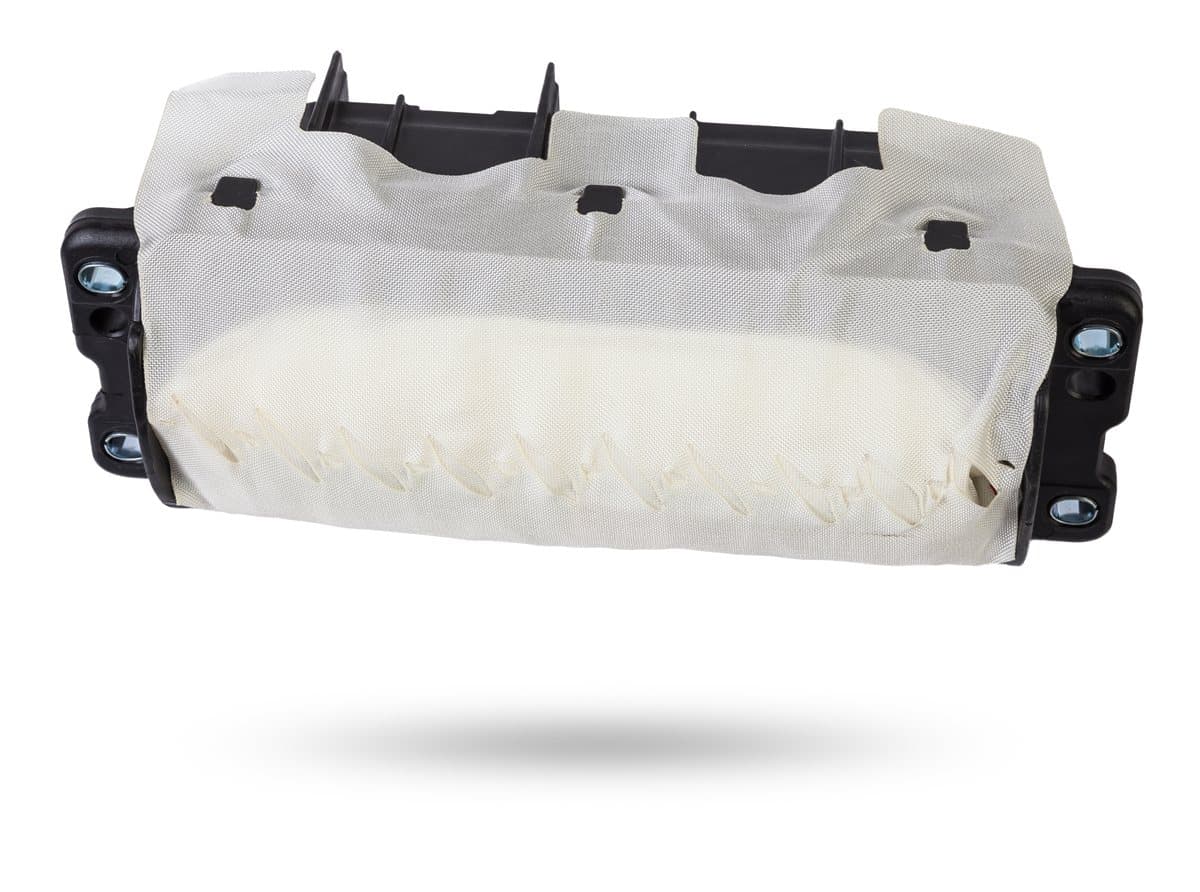
Passenger airbag
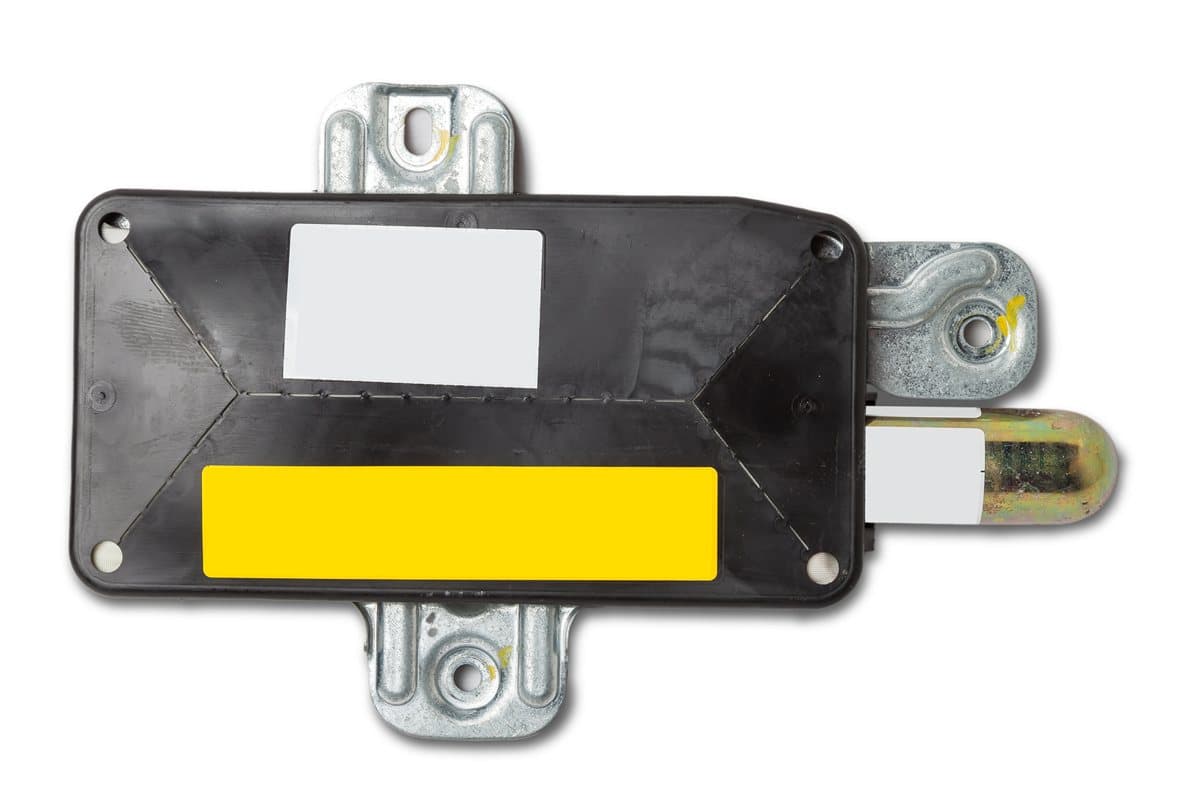
Side airbag
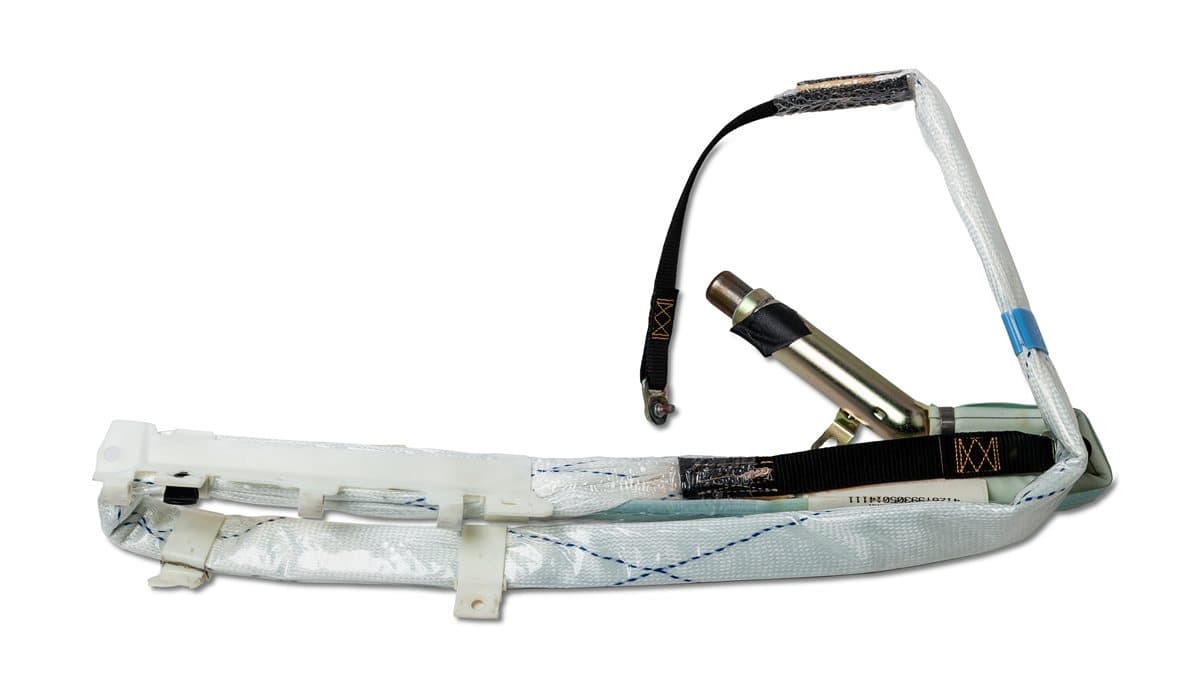
Curtain airbag
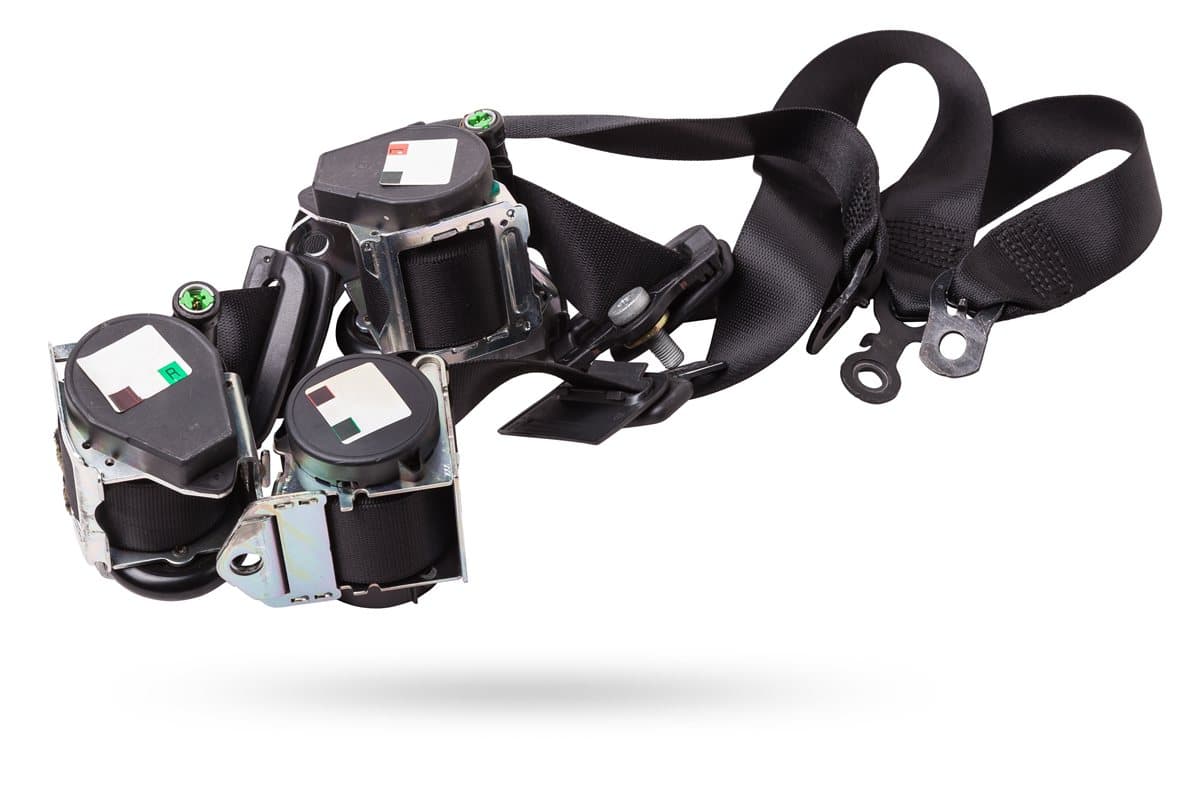
Seat-belt pretensioner
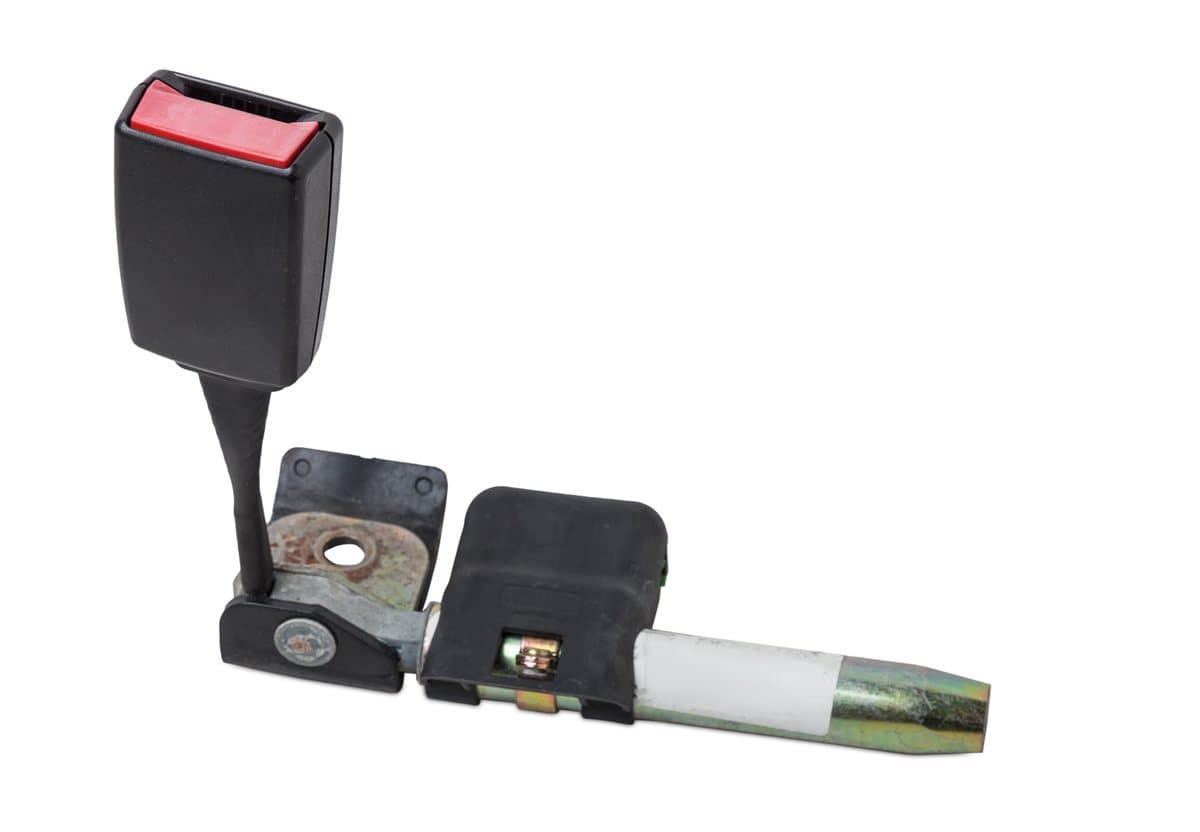
Buckle pretensioner
Passive safety
Airbags and seat-belt pretensioners are built into the vehicle's passive safety systems. The same components must be identified and neutralised safely when the vehicle reaches end of life.
Airbags and seat-belt pretensioners are pyrotechnic components located at the seats and belts. They deploy in a collision to protect the driver and passengers.
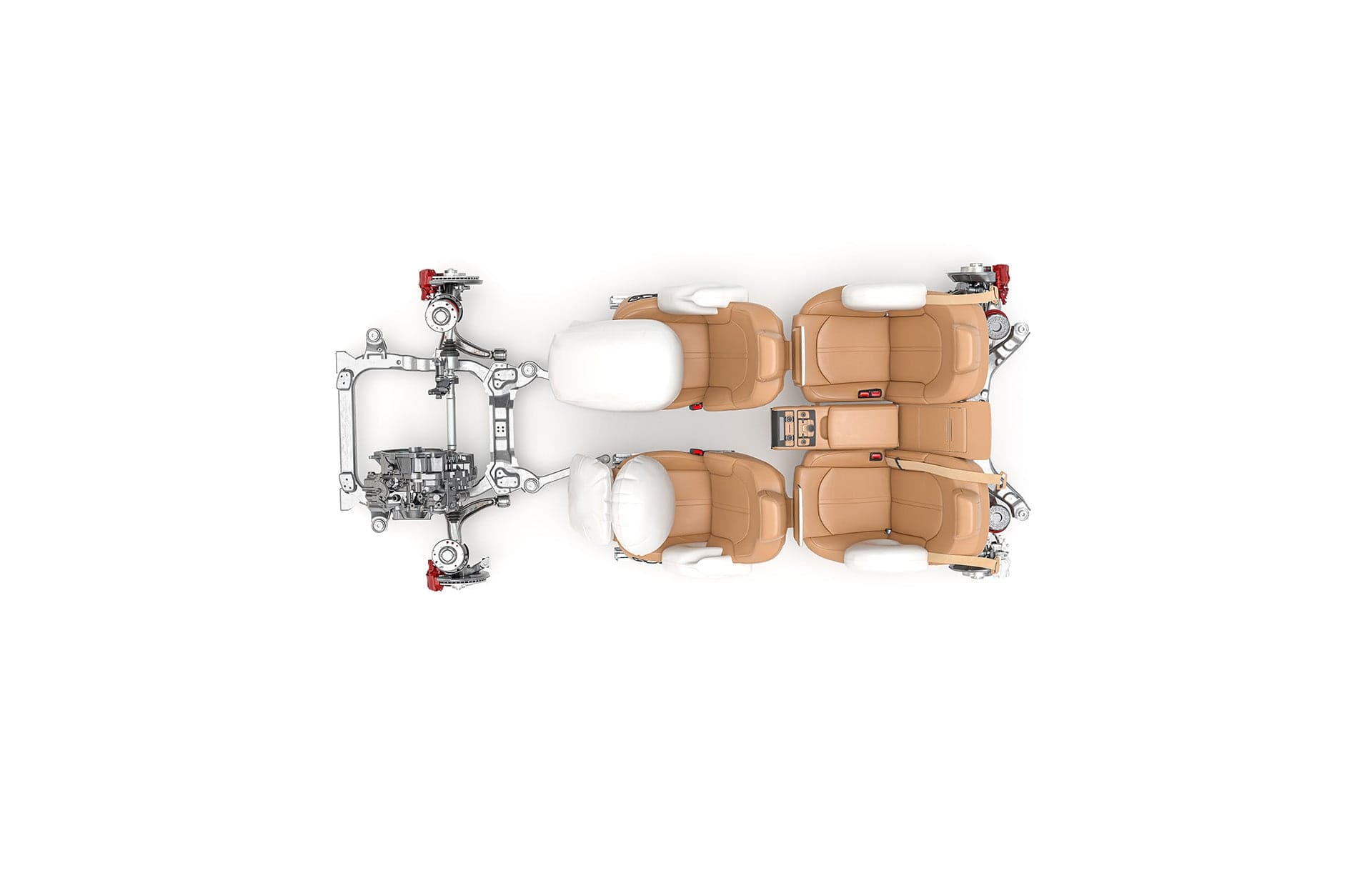
The components are built into the vehicle's structure and passive safety systems, working together to protect everyone in the car.
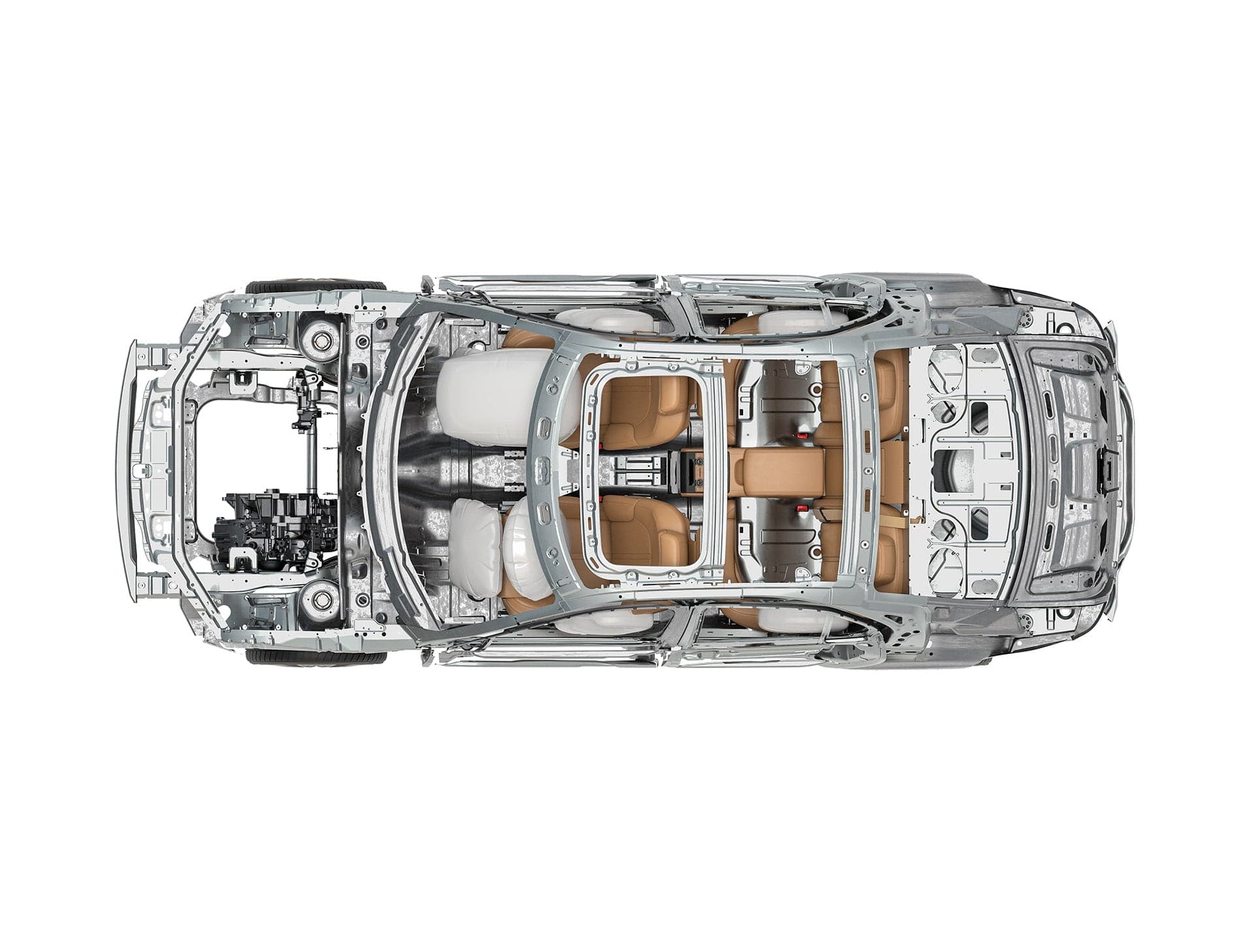
A complete vehicle with functioning pyrotechnic components is considerably safer. That is exactly why they must be identified and neutralised correctly before the vehicle is recycled.
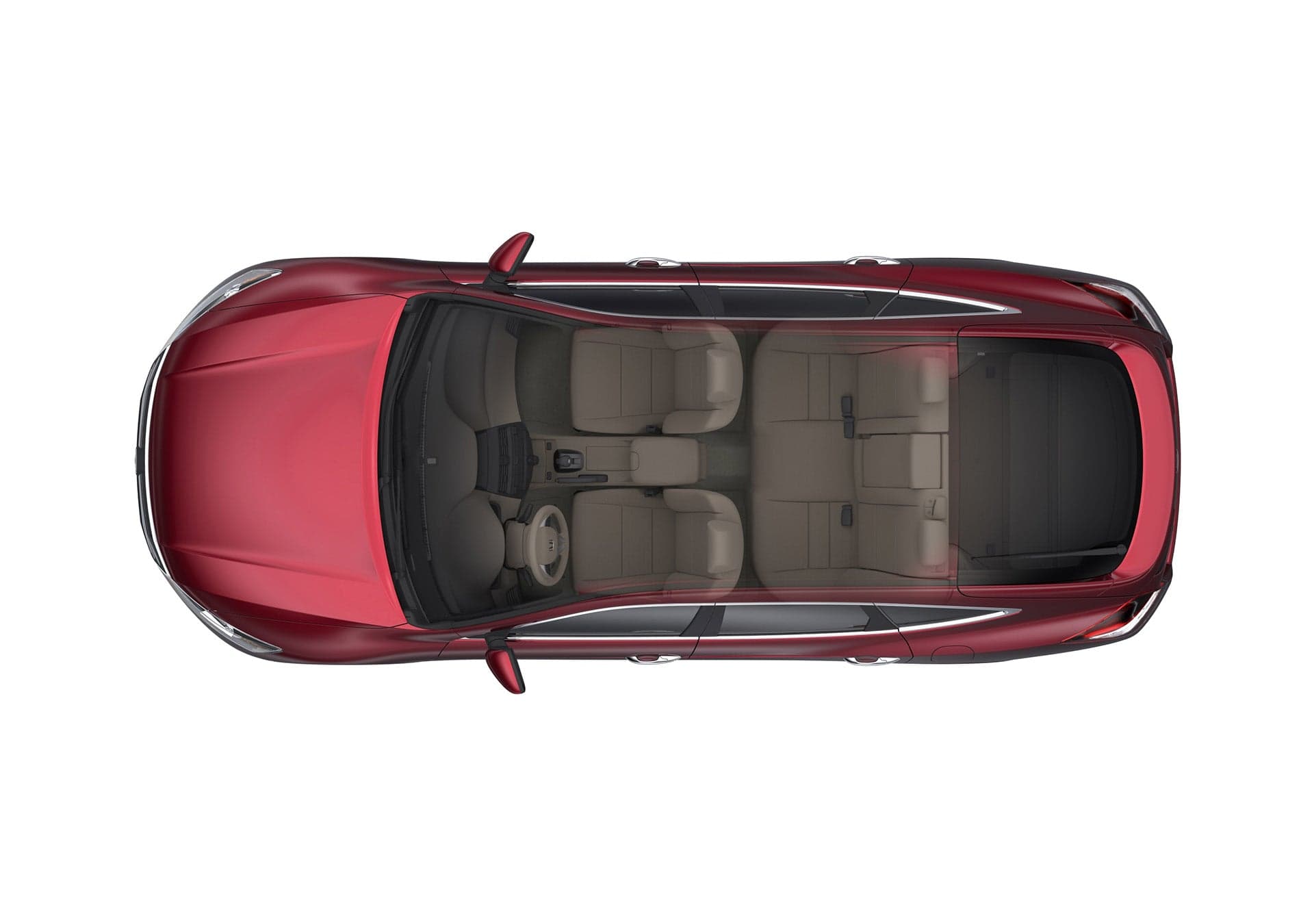
Get in touch and we will help you find the right method for your business, or sign in to the portal if you already use BlastBox.